
Get Healthy!
- Posted March 6, 2026
RFK Jr. Urges Medical Schools To Add More Nutrition Training
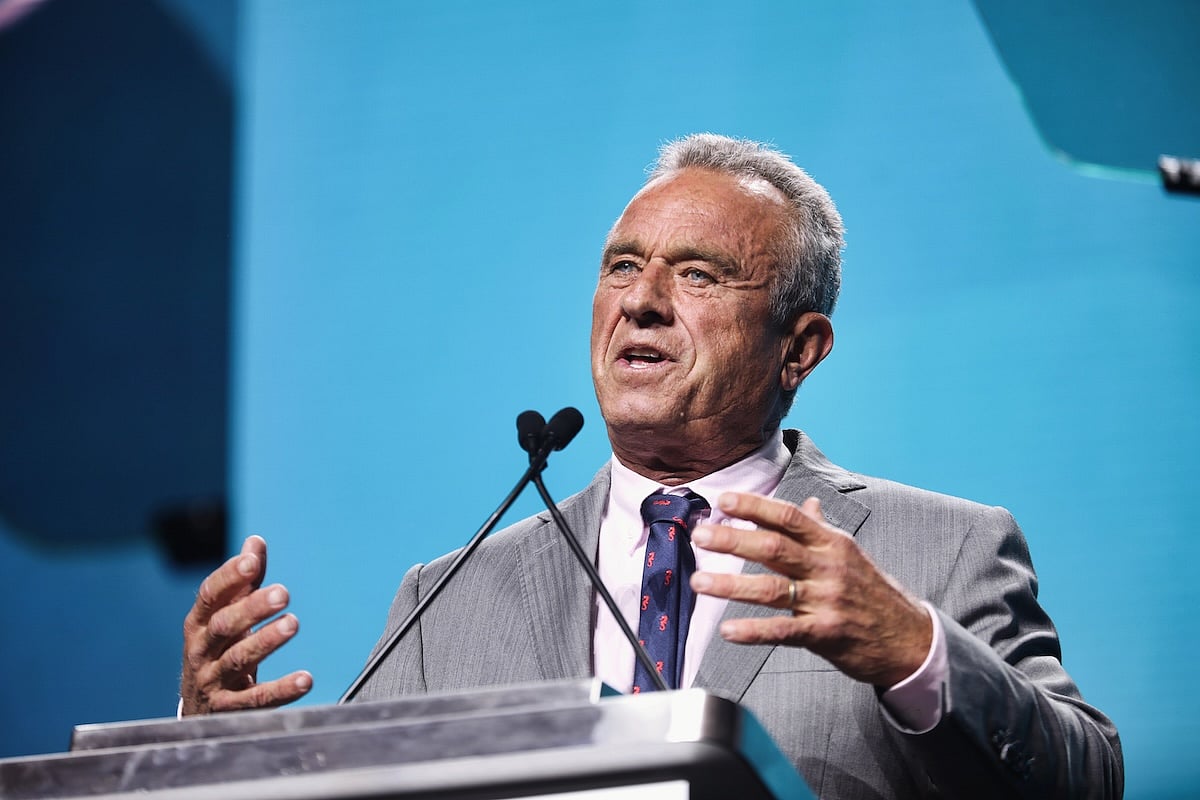
U.S. Health Secretary Robert F. Kennedy Jr. announced a new effort Thursday aimed at getting medical schools to spend more time teaching students about nutrition.
Federal officials say 53 medical schools have already agreed to take part in the voluntary initiative.
The program has asked schools to review their current nutrition training, appoint a faculty leader for the topic and publish a page showing how they will reach about 40 hours of nutrition education for students.
Officials said the initiative is meant to give schools guidance rather than implement a strict national curriculum.
Kennedy has argued in the past that many doctors are not trained enough in nutrition and focus too much on treating chronic diseases with medication instead of helping prevent them through diet.
Some medical experts contend the issue is more complicated than that, however.
“It would be lovely if doctors knew more about nutrition,” Marion Nestle, professor emerita of nutrition, food studies and public health at New York University, told NBC News.
But she said doctors often have just a few minutes with patients.
"Given the way our health care system works — doctors have 15 minutes with patients — I see only two things they really need to know: how to recognize a nutrition problem when a patient needs one (not as easy as it sounds) and even more important, how to refer patients with nutrition problems to a dietitian,” she explained.
One federal official told NBC News that, “although groups might not agree with the specific characterizations we’re using, there’s wide agreement that doctors in medical school could have more curriculum in nutrition."
Concerns about nutrition education in medical schools are not new.
A 2015 study in the Journal of Biomedical Education found that medical students spend an average of just 19 hours studying nutrition over four years of medical school. The study surveyed 133 U.S. medical schools.
Experts have been raising similar concerns for decades. As far back as the 1960s, the American Medical Association reported that nutrition education in medical schools received “inadequate recognition, support and attention.”
In 1969, health experts at a White House conference also concluded that nutrition training for doctors was subpar.
Dr. Adam Gaffney, a critical care doctor and assistant professor at Harvard Medical School, told NBC News that he supports improving nutrition education if the material is “scientifically rigorous.”
However, he said Kennedy’s argument that doctors ignore nutrition and only prescribe medication is not true.
“That premise is incorrect. It also misdiagnoses the problem,” Gaffney told NBC News.
He noted that many Americans struggle to eat healthy foods because of cost, time and easy access to inexpensive processed foods.
Gaffney also raised concerns about some of Kennedy’s past health claims, which critics say lack strong scientific support. In January, Kennedy sparked controversy when his department issued big changes to the nutritional food pyramid, placing red meat and certain fats at the top.
The new framework for nutrition education allows schools to design their own curriculum.
Officials said statements supporting the initiative are expected from groups such as the American Medical Association and the Association of American Medical Colleges, which oversees the MCAT medical school entrance exam.
More information
Stanford Medicine has more on why medical schools should focus on nutrition.
SOURCE: NBC News, March 5, 2026


